Starting a new business feels exciting, but it can also feel like a race against time.
You have an idea you believe in, you want people to know about it and you want to look credible from the very beginning. One of the quickest ways to achieve that early sense of professionalism is to get a simple website online.
The problem is that many founders delay this step for far too long because they think they need ten pages, a complete brand, a library of perfect images and a long list of features. In truth, you can launch much faster. A one page website can carry your idea, look polished and give you a real presence from day one.
This article explains how to do that. It explores why speed matters, what you need at the start, how a one day build works and why a single page website is often the best choice for an early launch. The aim is to give you a clear and simple path to getting your idea online without pressure and without unnecessary complexity.
Why speed matters when launching a startup
Credibility on day one
When you talk about your new business, the very next thing people do is look for your website. Even a small one page layout can make you look organised and trustworthy. It creates the sense that you have built something real, even if you are still in the early stages. A quick website gives potential clients, partners or investors a place to see what you do and how to reach you.
Early search engine benefits
Websites do not climb search results instantly. It takes time for pages to settle, mature and gain authority. By launching early, even with a small site, you start this process sooner. While you work on the business itself, the site quietly begins to build search history in the background. This helps a lot later when you are ready to expand your content and improve optimisation.
Momentum and motivation
Starting a business involves so many tasks that waiting for the perfect website can delay everything else. A fast launch helps you avoid that slow drift where nothing seems to move forward. Seeing your idea live on a real domain encourages you to keep going. It brings a sense of progress and makes everything feel more achievable.
Early testing and feedback
You do not need a complex website to begin learning from your audience. A simple page lets you see which parts of your message people respond to. You can gather basic analytics, track clicks and refine your content based on real behaviour rather than guesses. This feedback is often far more valuable than spending weeks polishing a site before showing it to anyone.
The minimum viable website
What it is
A minimum viable website is the simplest version of your site that still does its job. It introduces your business, explains what you offer and tells people how to contact you. It removes all the pressure of building something large and complicated. A single page is usually enough at the beginning, and it allows you to launch in a fraction of the time.
What to include
A strong minimum viable website only needs a few clear parts.
- A headline that describes what you do
- A short introduction
- A list of features or services
- A small amount of social proof if you have any
- A clear contact section
- A simple call to action
These elements are more than enough to help visitors understand what you offer and why it matters.
What to leave out at the start
Many things that people believe they need are not essential at launch. For example:
- Full brand systems
- Multiple service pages
- Professional photography
- Complex interactive tools
- A full blog
These can all come later. A simple start makes everything easier.
Why this approach suits startups
A minimum viable website encourages clarity. It keeps costs low, reduces stress and allows you to launch in days rather than months. Startups often test ideas or pivot early on, so a light and flexible website is much easier to update.
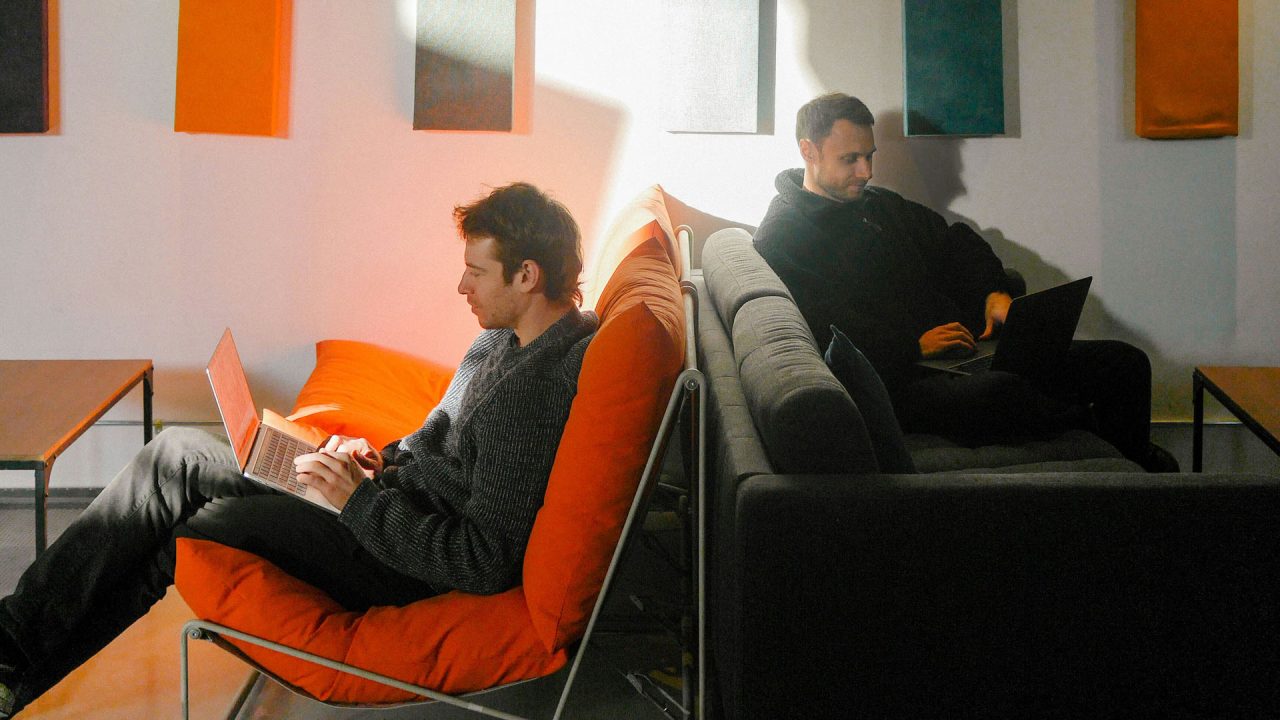
Why a single page website works for fast launches
A single page layout is one of the easiest and most effective ways to present a new business. Visitors can see everything in one clear journey, without clicking around. It loads fast, looks great on mobile and works well with simple messages. It also allows you to make quick updates as your idea evolves.
Because there is only one page, it is easier to control the layout, the flow of information and the story you want to tell. You can guide visitors through the most important sections in a smooth and natural way. It also makes tracking much simpler. You can see exactly how far people scroll and which parts draw attention, so improvements are easier to plan.
What you need before you start
Launching quickly does not mean rushing without preparation. It simply means focusing on the essentials and leaving everything else for later.
Branding basics
- A simple logo, even if temporary
- A few colour preferences
- Examples of designs or styles you like
Content basics
- A strong headline
- A short summary of what you do
- A list of services or benefits
- Contact details
- Any early testimonials
- A short founder story if you want to include one
Image basics
- A small selection of stock images
- A few personal photos if you have them
- Social links
Technical basics
- A domain name
- Hosting
- Website access details
- A simple contact form or email address
These elements give your designer everything needed to move fast.
How a website can be built in one day
A one day build is entirely realistic when the content is ready and the structure is simple. Here is what a typical day looks like.
Morning: Planning and gathering
This is when the page sections are mapped out and placed into a clear order. The content is reviewed, images are selected and a simple layout is sketched. This creates a strong direction for the day ahead.
Late morning: Building the structure
Next, the framework of the page is built. The layout is placed onto the website platform, fonts and colours are set and placeholder content is added. By this point the shape of the site is clear.
Early afternoon: Adding real content
The real text and images are placed into the structure. Spacing, alignment and flow are refined. The design begins to feel complete and the message becomes much clearer.
Mid afternoon: Styling and adjustments
Typography is polished, images are balanced and mobile layouts are tested. Small details are refined until the page looks clean and consistent.
Late afternoon: Testing and launch
Forms, links and speed are checked. Basic search engine information is added. Once everything works correctly the site is published on the live domain.
The benefits of launching quickly
You can start promoting your idea immediately
A live site makes conversations with clients and partners easier. You can share your link and begin building awareness straight away.
You gather real feedback
Visitors will show you what they care about. This helps you refine your message early on.
You avoid long delays
A quick launch keeps your momentum strong and stops you from spending months planning without progress.
You create trust
Even a one page website looks professional and organised, which helps you build early relationships.
You keep costs lower
Starting small allows you to invest more once your business grows.
When to expand the website later
You can always grow your site when the time is right. You may want more detailed pages, more in depth search engine content or new features such as booking tools or online payments. Expansion is much easier when you already have a working foundation.
Final thoughts
Launching a website does not need to be slow or stressful. A clear one page design gives you a strong start, helps you share your idea with confidence and keeps everything simple while your business finds its feet. You can always expand later, but the best first step is to get something real online so you can learn from genuine visitors and build from there.